


An open-box product is an item that a customer returned after opening it, which the retailer then inspects and resells at a discount. The original box has been opened, but that does not mean the product was actually used, damaged, or faulty. In many cases, the previous buyer simply changed their mind, received a duplicate gift, or tried the item briefly before returning it within the store's return window.
Retailers typically price open-box items 10 to 30 percent below the new retail price, depending on condition. The key question is whether that discount is worth the uncertainty compared to a certified refurbished alternative.
For context on the refurbished side, RefurbMe tracking shows a new iPhone reaches the refurbished market a median of 82 days after Apple's release (as of July 2026), and the median discount across every iPhone model RefurbMe has tracked is 78 percent versus the original release price. That family median spans years of older models, so it is not the saving on a current phone, but it shows how deep refurbished pricing runs once a model is a few months old. See the full figures on the RefurbMe iPhone stats page.
Table of contents
- Should you buy an open-box product?
- How retailers grade open-box items
- What is the difference between open-box, used, second-hand, and refurbished?
- What to consider before purchasing an open-box item
- Our recommendation: buying refurbished products is much safer
- Frequently asked questions
Should you buy an open-box product?
If you see an item marked as open-box, it means the packaging has been opened. This does not imply the product is damaged or more likely to malfunction. It simply indicates that a consumer opened the original packaging before returning it, or that it was used as a floor model in a store.
An open-box product can be completely new, unused, and offered at an excellent discount. Someone who bought an iPhone, changed their mind after a week, and returned it in near-perfect condition may have left you with a very good deal.
Conversely, an open-box item can also carry real risk. The previous user might have kept it for several weeks, or it may have served as a display model with heavy daily handling. Batteries and screens on display models can degrade before you ever touch them.
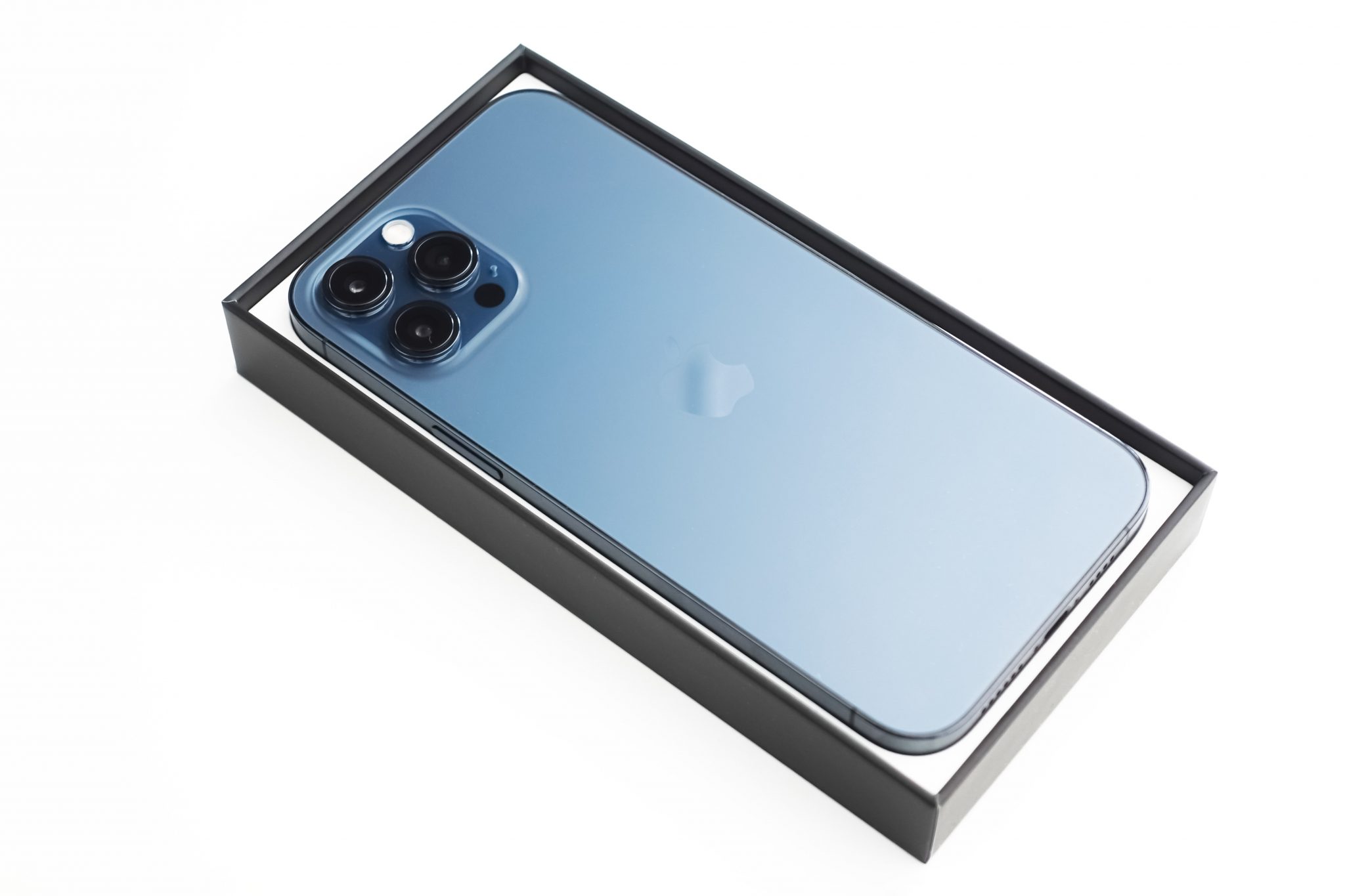
Should you buy one? When the discount is meaningful and the merchant's warranty is still active, open-box deals can make sense. But they require more homework than buying new, and considerably more trust than buying refurbished. A certified refurbished product has been professionally inspected, repaired if necessary, and sold with a clear warranty. An open-box item has been inspected to varying degrees depending on the retailer.
How retailers grade open-box items
Major retailers have introduced condition grades to bring more transparency to open-box pricing. Knowing what these grades mean helps you decide whether the discount justifies the condition.
Best Buy uses a three-tier system verified by its Geek Squad technicians:
- Excellent: Works and looks like new. Restored to factory settings. Includes all original parts, packaging, and accessories, or suitable replacements.
- Good: Works like new and is restored to factory settings. May have minor scratches or dents and could be missing non-essential accessories.
- Fair: Works like new but may have larger dents or scratches and could be missing parts or original packaging.
When prices between Excellent and a new unit are within 10 to 15 percent, the savings are often not worth the condition uncertainty. The Excellent grade, however, frequently represents genuine value.
Amazon separates its open-box and used inventory through Amazon Warehouse, a distinct program from Amazon Renewed. Amazon Warehouse sells customer-returned items that are fully functional but may have minor cosmetic damage or non-original packaging. Importantly, Amazon explicitly tells buyers not to assume these items carry a manufacturer's warranty, so check the listing carefully. Amazon Renewed, by contrast, is a certified refurbishment program with a 90-day minimum guarantee and stricter quality standards.
Apple open-box products sold through Best Buy or other authorized Apple resellers may still carry the original AppleCare warranty, provided the warranty has not lapsed since the original purchase date. If you buy a returned open-box iPhone or MacBook and the original purchase was recent, you can also add AppleCare+ to your plan, which is an option unavailable with most third-party refurbished products.
What is the difference between open-box, used, second-hand, and refurbished?
Open-box products are often mistaken for refurbished products. It is no wonder, since many terms circulate to describe devices that are no longer factory-sealed. In fact, some terms such as recertified and certified refurbished are themselves used interchangeably.
The clearest way to think about it:
- Open-box: Returned after purchase, inspected by the retailer, resold as-is with a condition label. May or may not have been used. Usually retains the original manufacturer's warranty.
- Refurbished: Returned or traded in, then professionally repaired, cleaned, and tested by the manufacturer or a certified refurbisher. Sold with a dedicated warranty. Learn more in our guide to used vs. refurbished vs. new Apple devices.
- Pre-owned / second-hand: Sold by a private individual with no inspection guarantee and often no warranty. Read our full breakdown of pre-owned vs. refurbished differences.
- Used: A broad catch-all that typically means the item was owned and operated by someone else, with no defined inspection or warranty baseline.
The table below sums up how open box, refurbished, and new compare on the points that decide the purchase.
| Factor | Open box | Refurbished | New |
|---|---|---|---|
| Inspection | Basic functional check, varies by retailer | Full professional inspection and testing | Factory sealed |
| Repairs | Rarely repaired, sold as returned | Repaired and parts replaced as needed | Not applicable |
| Warranty | Remainder of original, if still valid | Dedicated warranty, often 1 year | Full manufacturer warranty |
| Typical discount | 10 to 30 percent below new | 15 to 40 percent below new | None |
| Return window | Often shorter, sometimes 15 days | Standard, often 14 to 30 days | Full standard window |
| Cosmetic condition | Excellent to fair, graded | Like new to good, graded | Pristine |
The main difference between open-box and refurbished is that open-box devices are not usually repaired before going on sale again, while refurbished products undergo a thorough inspection and, where necessary, component replacement. One of the clearest illustrations of this is the Apple Certified Refurbished program, which replaces batteries and outer casings on iOS devices and ships products with a full one-year warranty, the same coverage as a brand-new purchase.
A product refurbished by a trusted merchant offers the most peace of mind: it has been examined, cleaned, and tested by a professional, and comes with a clear warranty and return policy. A used or second-hand product may carry none of those assurances.
What to consider before purchasing an open-box item
If you decide to pursue an open-box deal, check each of the following before completing your purchase:
- Origins. There is a significant difference between an item returned after two days of light use and a floor model that ran continuously for six months. Ask the retailer where the item came from if the listing does not specify.
- Return window. Note that open-box items often carry a shorter return window than new purchases. Best Buy, for example, gives buyers 15 days to return an open-box item compared to 30 days for a new one. Open and test immediately after receiving.
- Warranty. The manufacturer's warranty may still apply, especially for recently purchased returns at authorized retailers. If no warranty is listed, that is a meaningful risk. Consider a refurbished option with a professional warranty instead.
- Cosmetic condition. In a store, inspect the item directly for scratches, dents, or screen damage. When buying online, look for detailed photos and condition notes. The grade level (Excellent, Good, Fair) should guide your expectations.
- Accessories. Some open-box listings are missing cables, chargers, manuals, or adapters. Missing accessories increase your true cost and can eliminate the savings you expected.
- Is the discount meaningful? Open-box items typically sell for 10 to 30 percent below new retail. If the discount on a particular listing is less than 10 percent, weigh it against the reduced return window and potential warranty complications. If it is above 30 percent for a top-grade item, that is worth paying attention to.
Our recommendation: buying refurbished products is much safer
Buying an open-box product is not always the wrong choice, but it demands careful due diligence. The discount can be real, and so can the risk, particularly if the item lacks an active warranty or the return window has nearly closed.
The more reliable path to a great price on Apple hardware is to buy refurbished. On RefurbMe, we compare hundreds of Apple refurbished devices from certified merchants such as Back Market, the Apple Store, and Amazon Renewed, each of which completes a professional refurbishing process. The result is a thoroughly tested, warranted device at a lower price, from sellers with accountability. Compare refurbished iPhone deals or refurbished MacBook deals to see the current spread across those sellers.
Find some of the most popular refurbished Apple items below in real time:
For a deeper look at the tradeoffs, see our full comparison of open box vs. refurbished devices. And for guidance on understanding the condition levels that refurbishers use, our article on refurbished grades A, B, and C is a useful starting point.
Frequently asked questions
Last updated: Jul 1, 2026 · First published: May 3, 2024